Securing the Asia-Pacific digital battlespace: TechNet Indo-Pacific 2026
From electronic warfare threats to coalition data sharing, discover how US and allied forces are strengthening the digital battlespace across the Indo-Pacific.
From electronic warfare threats to coalition data sharing, discover how US and allied forces are strengthening the digital battlespace across the Indo-Pacific.

The strategy introduces the NATO Digital Foundry, a project that will provide opportunities for NCIA, industry, not-for-profit organizations and other NATO stakeholders to collaborate on new technologies.

There is no single answer to the drone threat, pushing the Pentagon toward a broader mix of defenses.

The STRATCOM head emphasized the strategic advantages that AI and ML will add to NC3 systems, but said that a human must still be involved in the loop as this will “maximize the adoption of these capabilities and maintain our edge over our adversaries.”
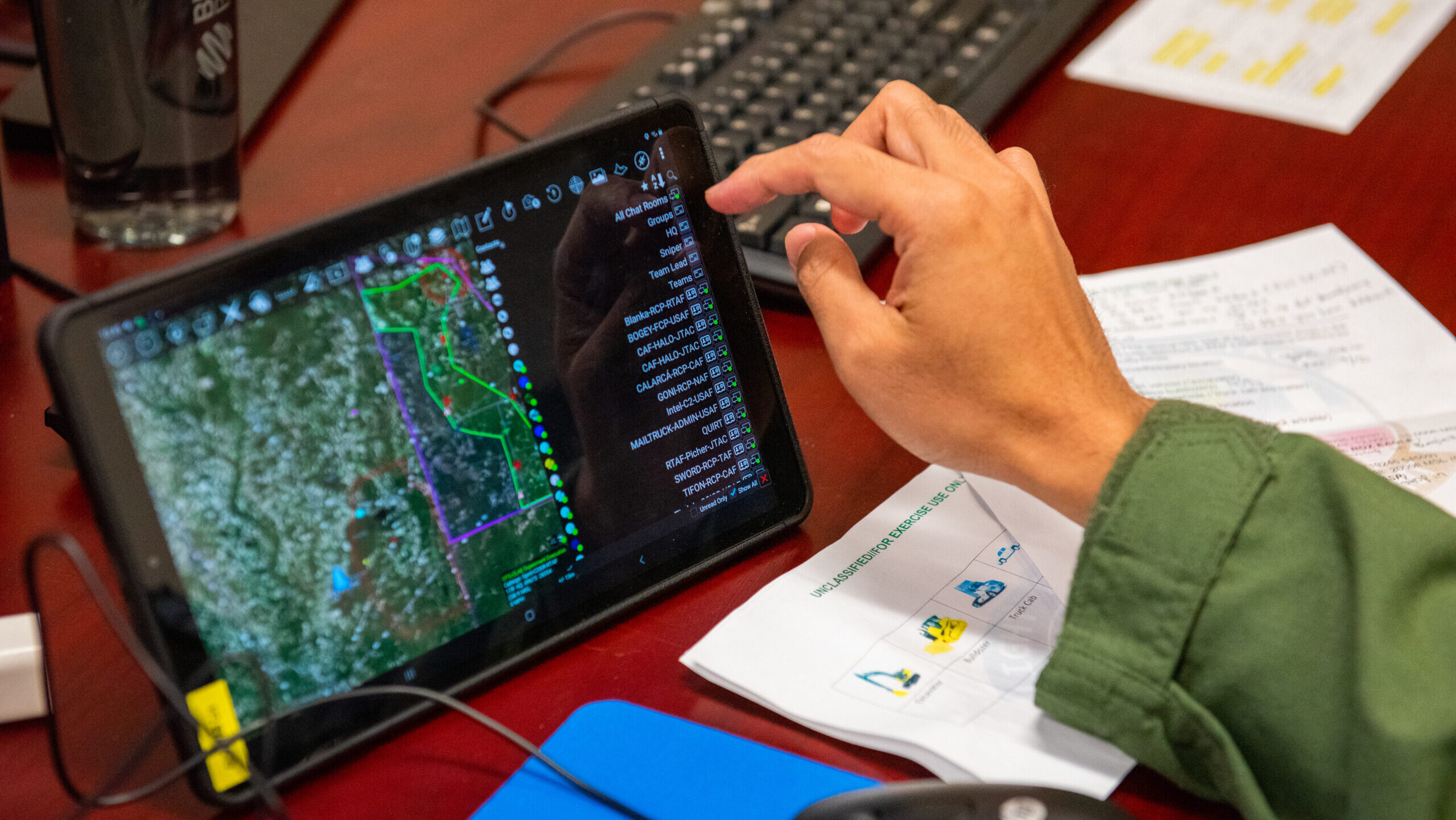
The Pentagon is “working to update the processes, procedures, authorities, to make it easier to share, to incentivize, to reduce those barriers so that we can actually learn from each other,” Rear Adm. Peter Vasely said.


Data has been, arguably, the US military’s most valuable-but-untapped resource since the founding of the US Army in 1787 and the US Navy a decade later.

Egyptian sources tell Breaking Defense that this may not be the last Rafale purchase. Egypt is now eying the Rafale F4. “We are looking to increase the (overall) number to 72 or 100 units, depending on Egypt’s financial capacity.”

Both aircraft are designed to evolve as threats and mission requirements change.

"One of the requirements is going to be that all data developed and produced by every weapon system we have has to be made accessible, period," Gen. John Hyten said today.

INDOPACOM's Brig. Gen. Jacqueline Brown said "policy is a significant concern...If we build a network, if we build these systems but they’re not releasable to our mission partners, we’re going to lose."